In deciding which of the articles submitted to Hume Studies shall be published, the Editor(s) shall
• ensure that editorial decisions shall be governed by the Mandate and Scope of Hume Studies
• ensure that editorial decisions are not affected by bias, including bias concerning the reputation, nationality, ethnicity, political beliefs, race, sex, gender, sexual orientation, or religion of the author(s)
• ensure that conflicts of interest are declared and mitigated
• ensure that the processes of editorial review and publication are publicly posted and observed.
The Editor(s) shall ensure that the peer review process is fair, unbiased, and timely.
The Editor(s) shall use the use the journal’s standard electronic submission system for all journal communications.
Submissions shall be reviewed by double anonymous independent peer review but some circumstances such as prior conference presentation or pre-print posting can make this difficult. Where necessary the editor(s) shall seek additional opinions.
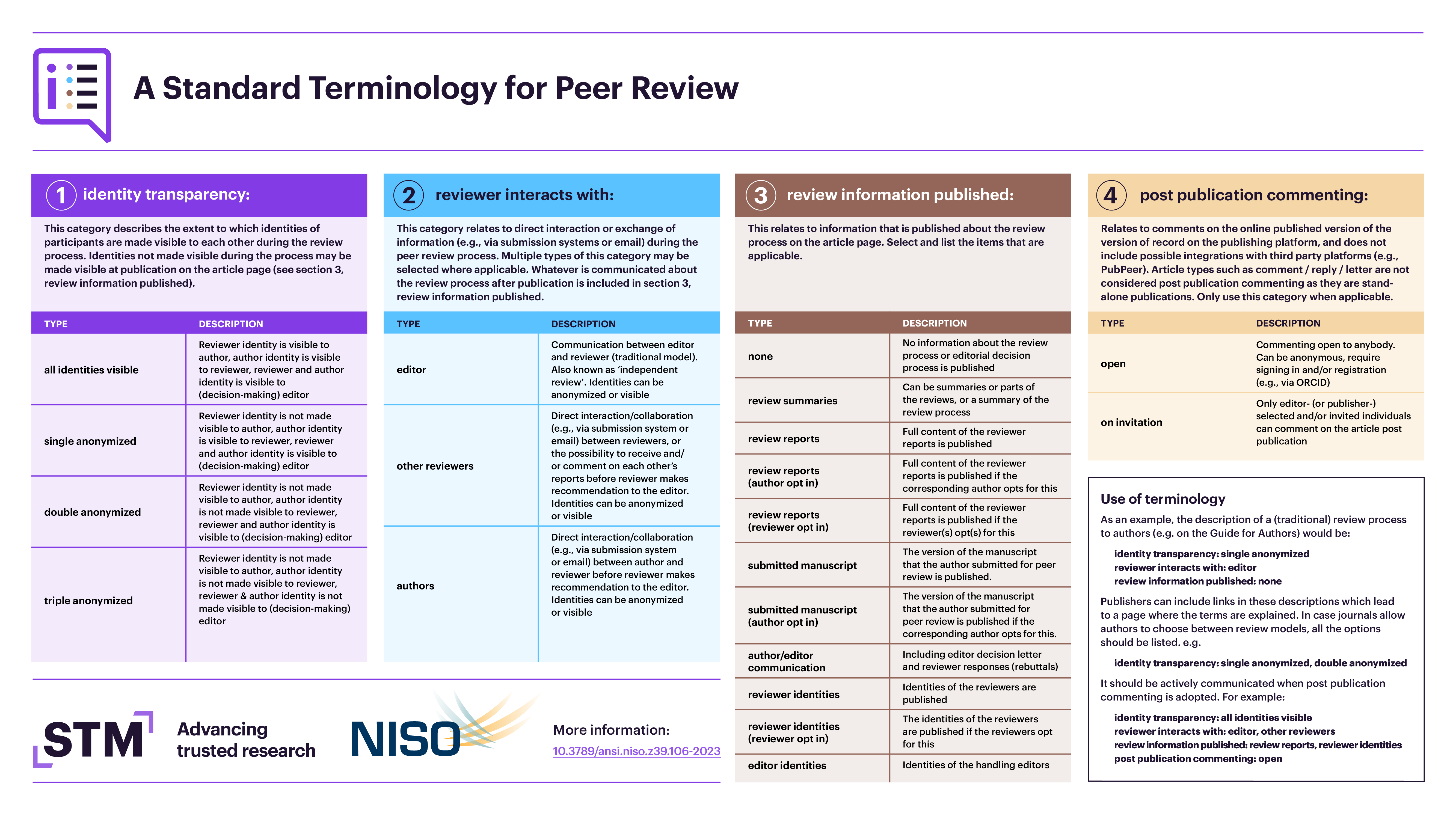
Where reviewers call for substantive revisions, the resubmission shall whenever possible be returned to the same reviewers for reassessment. In cases where a reviewer declines to reassess a submission the Editor(s) shall disclose that reviewer's complete report to the substitute reviewer.
The Editor(s) shall review all disclosures of potential conflicts of interest and suggestions for self-citation made by reviewers in order to determine whether there is any potential for bias.
The Editor(s) shall not attempt to influence journal rankings by artificially increasing any journal metric. In particular, the editor(s) shall not require that references to Hume Studies or any other journal’s articles be included except for genuine scholarly reasons and authors should not be required to include references to any editors’ or reviewers’ articles. Editors may remove suggested inappropriate citations from reviewer comments before sharing with the authors.
The Editor(s) shall protect the confidentiality of all submitted material and all communications with reviewers, unless otherwise agreed with the relevant authors and reviewers. Reviewers shall as a matter of course be asked to divide their reports into a portion intended only for the editor(s) and a portion to be communicated to the author(s).
In exceptional circumstances and in consultation with the Hume Society as publisher, the Editor(s) may share limited information with editors of other journals, institutions, and other organizations that investigate cases of research misconduct where deemed necessary to investigate suspected ethical breaches.
The Editor(s) in conjunction with the Hume Society as publisher shall review and assess reported or suspected misconduct. Such measures will generally include contacting the author and giving due consideration to the respective complaint or claims made, but may also include further communications to the relevant institutions and research bodies. Editors presented with convincing evidence of misconduct should arrange the prompt publication of a correction, retraction, expression of concern, or other correction to the record, as may be relevant. See also the policy procedures under "Complaints and Appeals."
Unpublished materials disclosed in a submitted manuscript must not be used in an Editor's own research without the express written consent of the Author. Privileged information or ideas obtained through peer review must be kept confidential and not used for personal advantage.
The Editor(s) shall not be involved in decisions about papers presenting conflicts of interest that they judge cannot be mitigated. Such submissions shall be handled by the other Editor(s) or by a member of the Editorial Board who does not share the conflict of interest, and there should be a clear statement to this effect on any such paper that is published.
The Editor(s) shall ensure that accepted work is published in a timely fashion and barring circumstances beyond their control in no case more than eighteen months after the date of acceptance.
The Editor(s) shall report their activities to the Hume Society as publisher on an annual basis. This report shall include data pertaining to submissions (e.g., submission numbers, acceptance rates, times to decision and publication), book reviews, journal personnel, citation scores, and special initiatives such as the Essay Prize. The Publisher may at its discretion require more frequent reports on any of the duties outlined above.